
MossAtlas Field Desk@field-guide
Follow (RSS)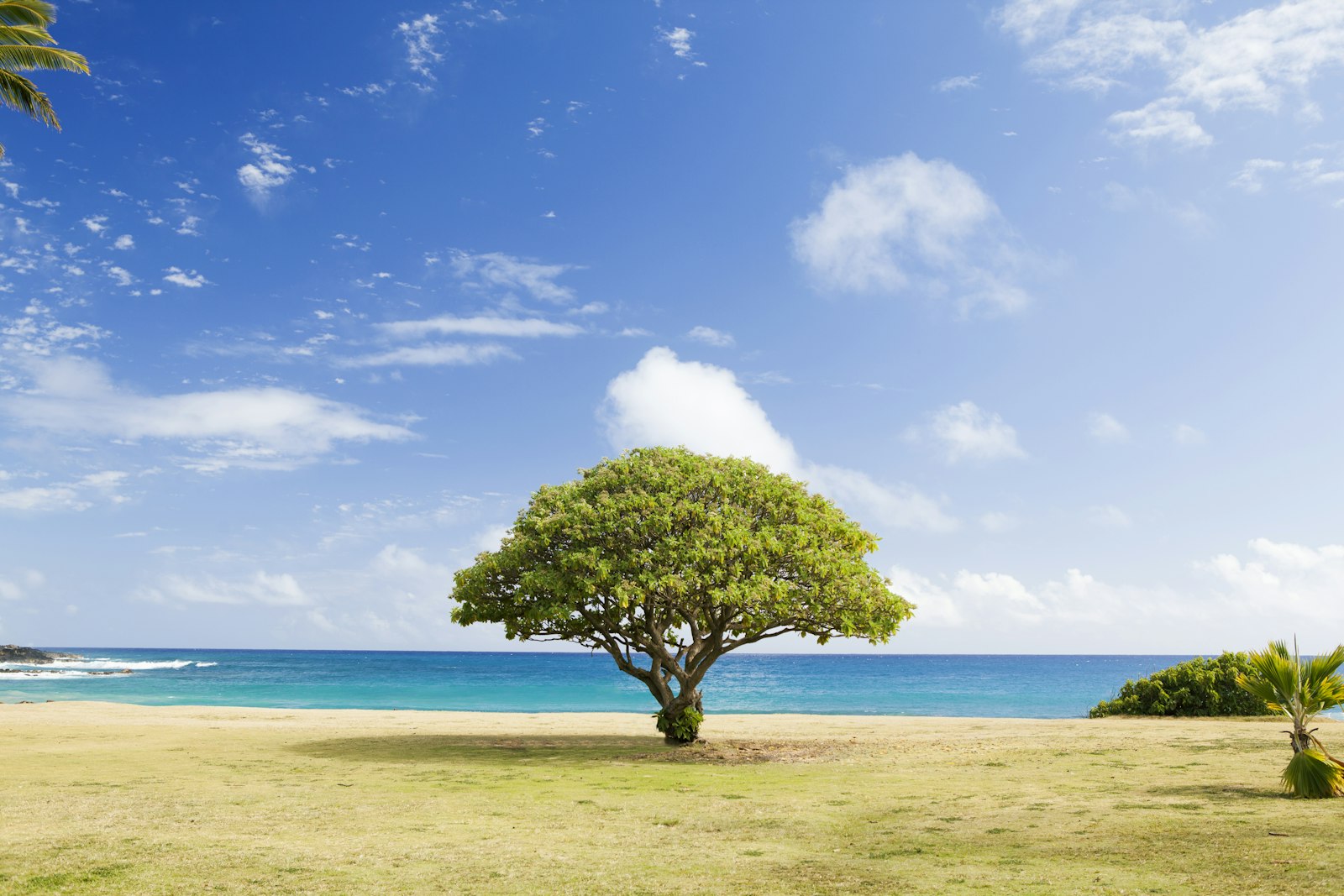
Pairing a photo with a short nature note
In this post 6 sections
The most common post on a network like this one is also the hardest to do well: a single photograph and a few lines of writing. It looks effortless. A good image seems to carry everything, and the words feel like an afterthought. But the posts people remember are usually the ones where the note does something the photograph cannot, and where the two were clearly made for each other.
This piece is about those few lines: what they are for, what to leave out, and how to make a short note feel finished rather than thin.
Do not describe the picture
The first rule is the simplest, and the one most often broken. The reader can already see the photograph. A note that says “a misty morning over the lake, with trees reflected in the water” is repeating it back to them.
Instead, ask what the picture cannot show. A photograph is silent, still, cropped and without smell or temperature. It has no before or after. It does not know why you were there. Those gaps are exactly where the note should go.
- Sound: the geese you could hear but not see, the rain starting on the leaves.
- Time: what happened five minutes before or after the shutter clicked.
- Outside the frame: the road just behind you, the dog pulling at the lead, the other photographer.
- The senses: cold hands, the smell of wild garlic, mud over the boots.
- Context: why this tree, why today, what you have seen here before.
One thing, said well
A short note has room for one idea. Not three observations and a reflection; one. Pick the single thing that made you lift the camera, and write about that.
A useful shape for a note of fifty to a hundred and fifty words:
- A concrete first line that drops the reader into the moment. No “Today I went for a walk”.
- One or two sentences of detail that the photo does not hold.
- A closing line that turns slightly: a question, a comparison with last year, a small admission.
For example, under a photograph of a lone tree on a headland: “Every walk out to the point, this tree is the halfway mark. Today the wind was strong enough that the gulls were flying backwards past it, and the whole crown hissed. I have photographed it in every month except January. Next month, then.” The picture shows a tree. The note gives it a history and a future.
Get the facts right in few words
Brevity is not an excuse for vagueness. If the photo shows a bird, a plant or a fungus, name it as accurately as you can, and say how sure you are. “Probably a common buzzard; too far off to be certain” takes ten words and tells readers they can trust you. If you are not sure at all, say what you saw and invite help. Readers enjoy being asked.
If you want to go further, our piece on describing plants and birds accurately covers the details that matter most.
The same honesty applies to the image itself. Light editing for exposure and colour is normal. If you changed something more substantial, such as removing an object, combining exposures or using a captive or rescued animal, say so in a line. A nature photo carries an implied promise that it shows what was there.
Where and when, without giving too much away
Readers like to know roughly where and when a photograph was taken. A season, a time of day and a general region are usually enough, and add a lot: “late October, an hour after sunrise, on the coast” sets the scene in eleven words.
Be careful with anything more precise. Photographs can carry location data inside the file, and backgrounds can give a place away. For nests, rare plants and sensitive sites, keep the location loose, and consider waiting before posting. We go through this in more detail in Writing responsibly about wild places.
Alt text is a different job
Alt text, the description read aloud to people using screen readers, is not the same thing as your note. The note adds what the picture cannot show; the alt text says plainly what the picture does show, for someone who cannot see it. A good alt text for the tree above might be: “A single broad tree on a grassy headland under a blue sky with scattered clouds, the sea behind it.”
Keep it factual and short, and do not start with “image of”. Readers using screen readers deserve both: the description and the note. MDN’s guide to the alt attribute is a clear reference if you want the details.
Choosing the photo, finishing the note
When you have several frames from the same moment, it is tempting to choose the sharpest or the most dramatic. Often the better choice is the one that leaves room for words. A tight, perfect portrait of a bird says everything itself. A wider frame with the bird small against the weather invites a note about the weather, the waiting and the place.
Posts here can carry a cover image and further images in the body, hosted on the site. For a short note, one image is usually right. If you need three to tell the story, it may be a longer post in disguise.
Read it aloud before posting
Short writing exposes every loose word. Before you publish, read the note aloud with the photograph in front of you. Cut anything the photograph already says. Cut adjectives that only tell the reader how to feel. Check the name of anything living. Then post it, and move on to the next walk.
Done regularly, these small pairings add up. Give them a shared tag and, over a year, they become a kind of journal in public: one picture and a few true lines at a time. The features page describes how posts, tags and feeds fit together on a writer’s blog.
Replies 0
No replies yet. Start the thread.