
MossAtlas Field Desk@field-guide
Follow (RSS)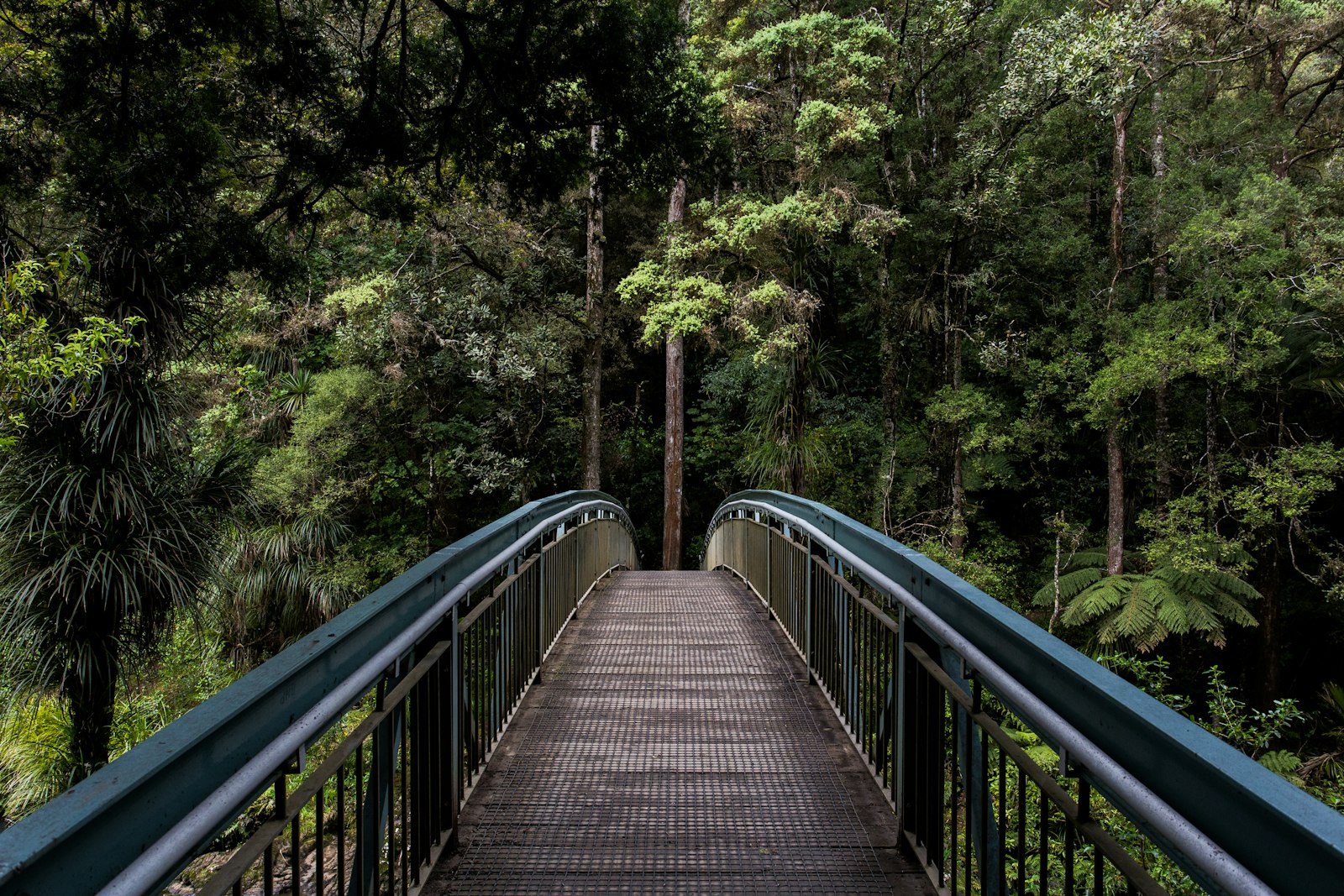
Writing the same walk every week
In this post 6 sections
There is a quiet kind of nature writing that rarely makes headlines and almost always rewards the writer. You choose one walk, an ordinary one, close to home. You walk it once a week. And each time, you write it up. After a year you have something no trip to a famous landscape can give you: a place you know in all its moods, and a record of how it changed.
This note is for anyone tempted by the idea, and for anyone who started and found that week seven read exactly like week three.
Choosing the route
The right walk is the one you will actually do in February. That usually means short, close and unremarkable. A loop of forty minutes to an hour is plenty. It should start somewhere you can reach without planning, and it should hold a few different kinds of ground: a hedge and a field edge, a stream and a bridge, a patch of woodland and a car park verge. Variety along the route gives each week more to notice.
Resist the urge to pick the prettiest walk in your area. Pretty places are often busy, managed and tidied. A scruffy path behind a school or a canal towpath under a ring road can hold more life, and it will certainly hold more surprises, because nobody else is writing about it.
Before your first walk, mark a handful of fixed points: a particular oak, a gate, a bend in the stream, a wall with lichen on it. These are the places you will check every single week. Give them names you will remember. They become the spine of every entry.
Same route, same questions
The danger of a repeated walk is repetition on the page. The fix is not to search for novelty but to ask the same questions every time and let the answers change. A short checklist, kept in the back of your notebook, might look like this:
- What is flowering, and what has finished?
- Which birds can I hear before I see them?
- How high is the water at the bridge?
- What has changed at each fixed point since last week?
- What did people do to the place: mowing, cutting, litter, a new fence?
- What is the one thing I would not have noticed in my first month here?
That last question is the one that grows the writing. Early on you will have little to say. By midsummer you will be noticing the order in which the hedgerow flowers open, or that the same robin sings from the same post. Recording when things happen through the year has a name, phenology, and a weekly walk is a small, personal version of it.
Shape each entry around one change
A weekly post that lists everything quickly becomes a register. Readers will skim it, and so will you. Instead, let each entry be about one thing that changed, and let the rest of the walk sit around it as context.
One week it might be the first swallows over the field. Another it might be the stream after a storm, brown and loud where it is usually clear. In a slow week in late winter it might be nothing more than the colour of the willow twigs warming from grey to orange. Lead with that change, describe it carefully, then give the reader a few lines on the rest of the route so they know where they are.
Keep the full checklist in your own journal. Publish the story. If you want the raw notes to be useful later, our piece on keeping a nature journal you will actually reread suggests a page layout that makes the weeks easy to compare.
Writing the dull weeks
Some weeks nothing happens. It rains, the light is flat, you are tired, and the walk is mud. These weeks are worth writing too, briefly and honestly. A short entry that says “low cloud, nothing singing, the path flooded at the second gate” is part of the year’s record, and readers who follow a series often value the quiet weeks because they make the busy ones feel earned.
A few ways to make a thin week readable:
- Go small. Spend the walk looking at one square metre of bank, or the bark of one tree. There is always something there.
- Use another sense. Write the walk by sound or by smell instead of sight.
- Look back. Compare this week with the same week a month ago and describe the gap.
- Write about the people. The dog walkers, the runner who always nods, the council crew cutting the verge. A place includes its users.
Photographs as a fixed record
If you take photographs, take one from the same spot, facing the same way, every week. Pick a fixed point with a clear view, stand where you stood last time, and frame it the same way. On its own each picture is ordinary. Put a season of them side by side and they show change more clearly than any paragraph can.
Use one of those photographs as the cover image for the week’s post, and keep the others in your archive. When the year is done, they are worth a post of their own.
Publishing it as a series
A weekly walk makes a natural series, and a series is easier for readers to follow when it looks like one. Use the same title pattern each week, such as the route’s name and the week number or date. Put the posts in one category and give them a shared tag, so the whole year sits together on your blog. Readers can follow the series through your blog’s feed.
Two practical notes. First, be careful about how precisely you describe the route if it passes nesting sites or rare plants; we cover this in Writing responsibly about wild places. Second, if readers leave comments with their own sightings, reply when you can. Guest comments here are reviewed by the moderators before they appear, so there may be a short delay, but a reader who tells you where they saw the first orange-tips is giving you something to look for next week.
At the end of the year
When the fifty-second walk is done, read the whole series from the start. Then write one more post: what the year taught you about the place, and about looking. It is often the best thing in the series, because it is the only one that could not have been written in week one.
And then, if you like, start again. The second year is when the comparisons begin.
Replies 0
No replies yet. Start the thread.