
MossAtlas Field Desk@field-guide
Follow (RSS)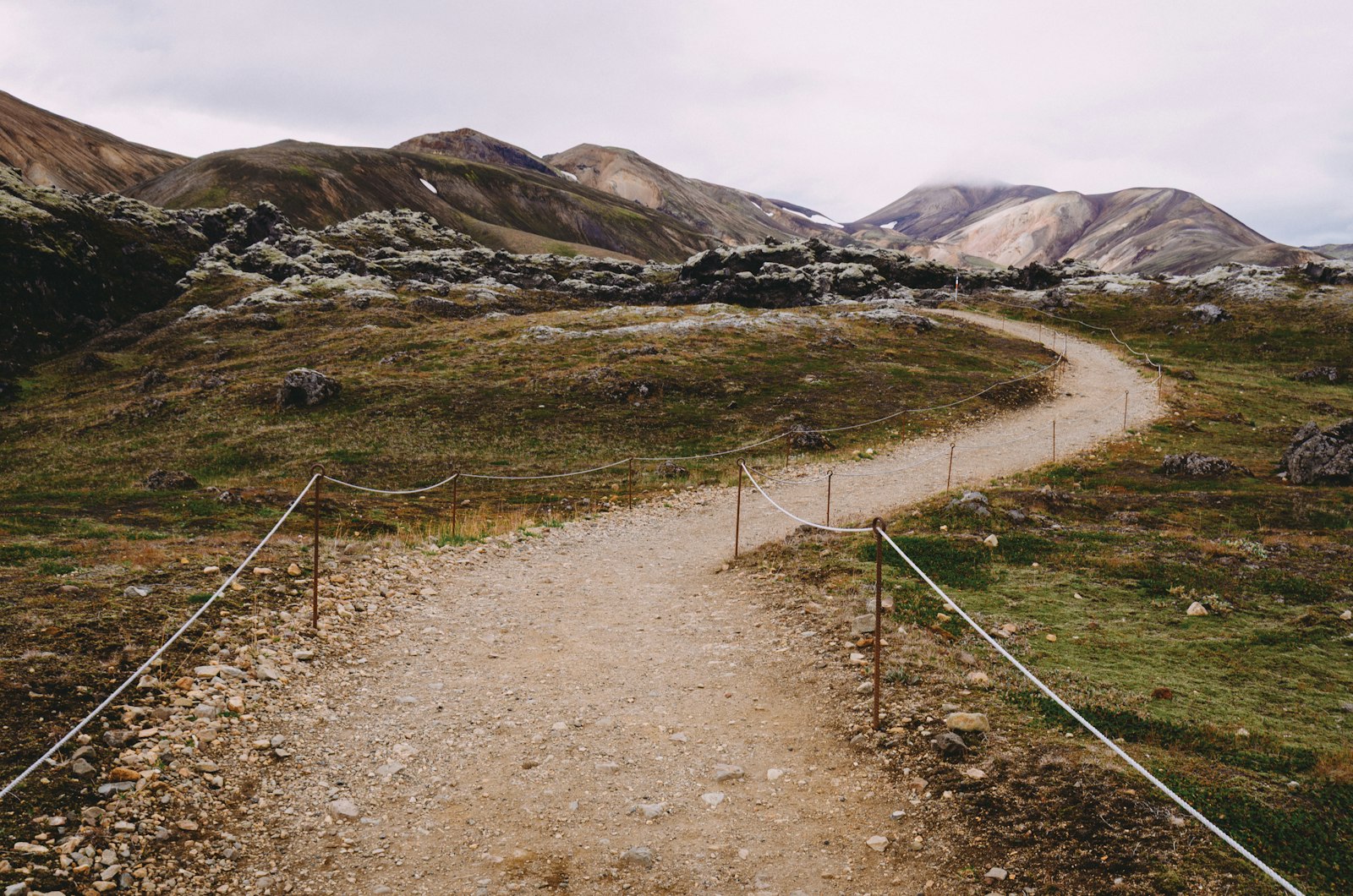
Writing a trail note someone else can follow
In this post 6 sections
A trail note has a strange reader. They are standing somewhere you once stood, possibly tired, possibly losing the light, holding a phone with one bar of signal, and trying to decide whether the path on the left is the one you meant. You cannot explain anything afterwards. The page has to do it alone.
That makes this a different job from most nature writing. An essay about a ridge can leave things out for the sake of mood. A note someone will walk from has to say where to turn, what the ground was like, when you were there and what could go wrong. It can still sound like you.
Put the essentials where nobody can miss them
People read a trail note twice: at home to decide whether to go, and on the path to work out where they are. The first reading needs a short block near the top:
- Start and finish, and how you get there.
- Shape: loop, out and back, or one way with a lift home to arrange.
- Distance and climb, and where those numbers came from: a GPS track, a map, a rough guess.
- Time, with your stops counted or clearly left out.
- Date walked, in full, including the year.
- What it asks of you, in one honest line.
An invented example:
Loop from the village car park, about 11 km and 600 m of climb by GPS. Five hours including a long lunch. Walked 14 September 2026, after two dry days. One exposed stretch on the ridge; no water after the second stream.
Then give each part of the route a plain heading, because longer posts here get a table of contents built from their headings (the features page has the details), and “The river crossing” is exactly what a worried reader wants to jump to.
Spend your words where people go wrong
Most of a path needs no directions at all. Save the detail for decisions: junctions, places where the tread fades, spots where the obvious way is the wrong one.
Compare these two versions of the same invented stretch:
Follow the path up through the woods and turn left at the junction.
After the footbridge the path climbs through beech for about twenty minutes. Where it forks at a large boulder, take the narrower left branch, which looks less used. The stream should stay on your right. If you come out on a forestry road, you have gone too far.
The second one says what the reader will see, what to do and how to know it worked. That last sentence is the most valuable in the note, and the one most often missing, because people need help at the moment they start to doubt.
- Prefer landmarks that last. Bridges, walls, ridgelines and stream junctions will still be there next year. A fallen tree, a parked tractor or a bank of foxgloves may not.
- Anchor left and right. State the direction of travel, and add a compass bearing at any junction that matters. “Left” means nothing to someone walking your loop the other way round.
- Give times between points. Knowing a section took you twenty minutes tells a reader when to start looking for the turn.
- Mark the ways out. Where can someone cut the walk short if the weather turns?
- Name your map. Say which map or guide you used and link it where you can.
If you drew on another writer’s route description, credit it and link it. Our guidelines ask the same of everyone here.
Keep the route and the conditions apart
Trails change at two speeds. The route shifts slowly, over years. Conditions can change overnight. Give them separate sections, so that someone reading next year knows which part to treat as history.
Date the conditions as precisely as you can. “Last weekend” goes stale the moment you publish it, so write the date and add what came before: “after a week of rain” explains the mud better than any adjective. Then record what a reader cannot guess from a forecast:
- How deep and how fast the water was at each crossing.
- Which streams and springs were running, if the note relies on them.
- Snow, ice, mud, fallen trees, closures and diversions, with where each one began and ended.
All of this is far easier to write if you noted it at the time. The four-line page header in Keeping a nature journal you will actually reread covers most of it: date and time, place, weather, who and how.
Be clear, too, about what you have not seen. “We have only walked this in September, and cannot say what the ridge is like in winter” is a useful sentence. When something changes later, add a dated line at the top, such as “Update, 3 May: footbridge replaced, crossing now dry”, and leave the original text underneath.
Tell the truth about risk
“Easy” and “moderate” mean very little without knowing who is talking. Describe the thing itself and let readers judge: thirty metres of scrambling with a drop on one side, or three hours with no shade. Then say who you are in relation to it. “We walk hills most weekends and carried poles” gives a reader a scale to measure themselves against.
Name the hazards plainly, even when they spoil the mood: tides, rivers that rise fast after rain, exposed ground, long stretches without water, poor phone signal. Include what went badly as well. If you missed the turn, say where and why, since the next person will probably miss it in the same place. If you turned back, publish that.
Avoid promises you cannot keep. “Perfectly safe” is a claim about a future day, with weather and walkers you know nothing about. “It was knee-deep when we crossed, and I would not try it after heavy rain” stays true. Then send readers to the sources that can speak about today: the land manager’s notices, a mountain forecast, the local tide table.
Decide what stays out
A followable note is precise by design, and precision can do harm. Before you publish, check that the route keeps to paths the public can use, and be accurate about parking, permits and seasonal closures. If the only way through crosses private land without permission, that walk should not become a set of directions.
You can also be exact about the route and vague about what lies beside it. Describe every junction, and leave out the bank where the orchids grow or the ledge with the nest. Writing responsibly about wild places goes further into what to hold back and when to wait.
Test it, then keep it alive
Before posting:
- Trace the route on a map using only your text, and mark every place you had to guess.
- Give it to someone who has not walked it and ask where they would hesitate.
- Hunt down the slippery words, like “soon”, “a bit”, “recently” and “easy”, and replace them with something measurable.
Readers can reply with a name and a message, and each guest reply is read by a moderator before it appears, so a correction may take a little while to show. When someone tells you the bridge has gone, add a dated update and thank them. Use the same place name as a tag on every note from that area, so the walks gather on one topic page.
The best compliment a trail note can get is a quiet one: a stranger reached the boulder, took the narrow branch, and never had to wonder whether you meant it.
Replies 0
No replies yet. Start the thread.